Job Search
Job Alerts and Saved Searches: How to Find Better Openings Faster
Job alerts and saved searches can reduce repetitive searching. Learn how to build focused alerts, manage keywords, remove noise, and act on strong openings faster.
Job alerts and saved searches can reduce repetitive searching. Learn how to build focused alerts, manage keywords, remove noise, and act on strong openings faster.
Research a company before applying by checking its official site, products, role context, reputation, recent information, culture signals, and hiring legitimacy.
Job offer evaluation should cover responsibilities, pay, benefits, schedule, location, conditions, growth, and written terms before you make a final decision.
Apply for jobs with no experience by using relevant projects, education, volunteering, transferable skills, and realistic entry-level targets instead of an empty resume.
Find remote jobs safely by verifying employers, checking job details, avoiding payment traps, protecting personal information, and using reliable job sources.
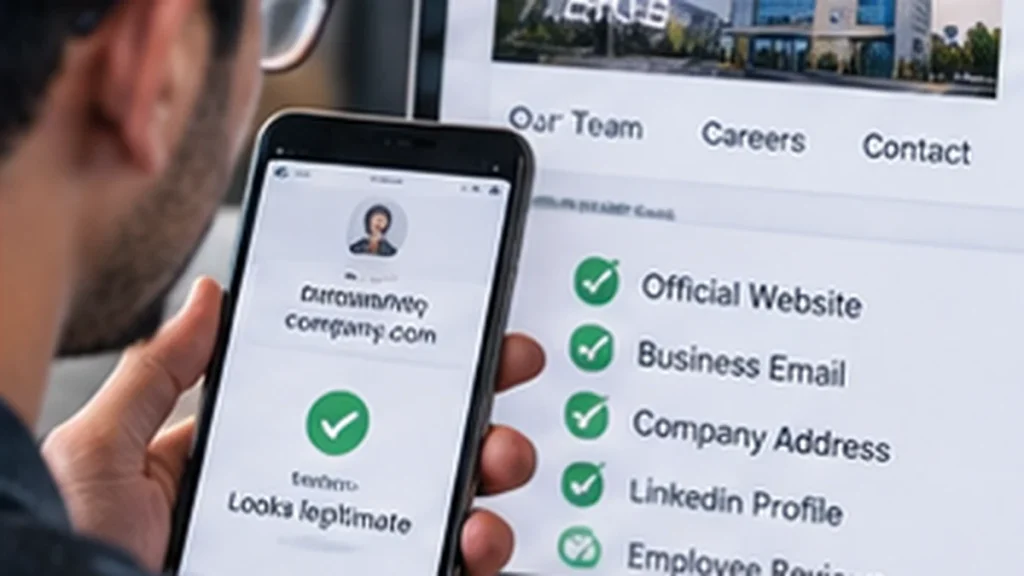
Verify an employer or recruiter before sharing sensitive information. Learn how to check identities, company contacts, job postings, and common scam warning signs.
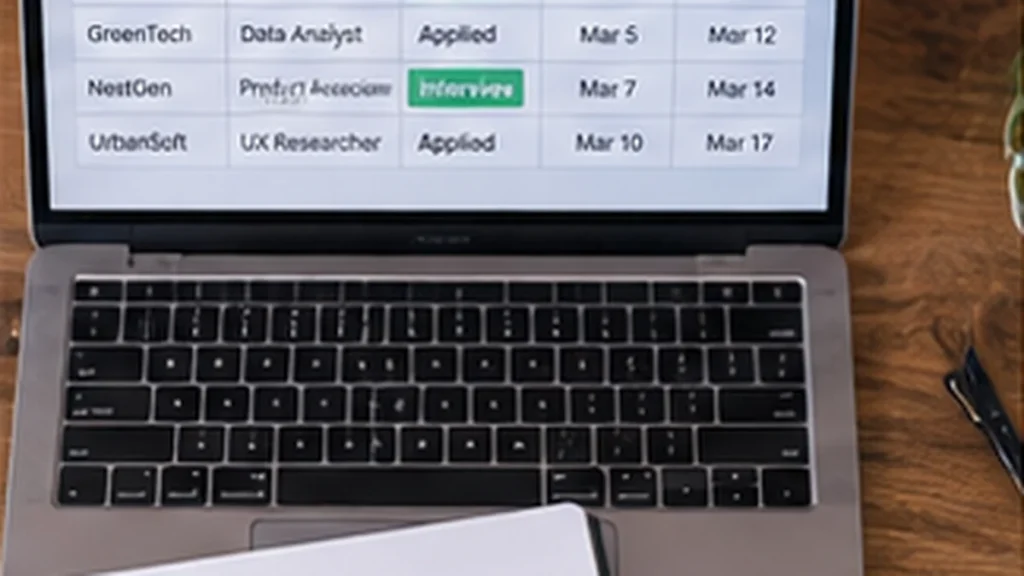
A job application tracker helps you organize roles, dates, contacts, document versions, follow-ups, interviews, and outcomes without relying on memory.
Tailor a job application without rewriting everything. Learn how to match evidence to the role, choose relevant examples, adjust wording, and keep facts consistent.
Read a job description more effectively by separating duties, must-have requirements, preferred skills, evidence, and practical details before you apply.
Find legitimate jobs online with a focused process. Learn how to choose reliable sources, verify openings, avoid scams, and organize your search efficiently.